
A colonoscopy is one of the most effective tools for protecting your digestive health and detecting potential problems early. If you are searching for colonoscopy Redding CA, understanding the procedure, its benefits, and when you may need one can help you feel more confident and prepared.
This simple yet powerful screening test plays a vital role in identifying colon polyps, colorectal cancer, and other digestive conditions before symptoms become serious.
What Is a Colonoscopy?
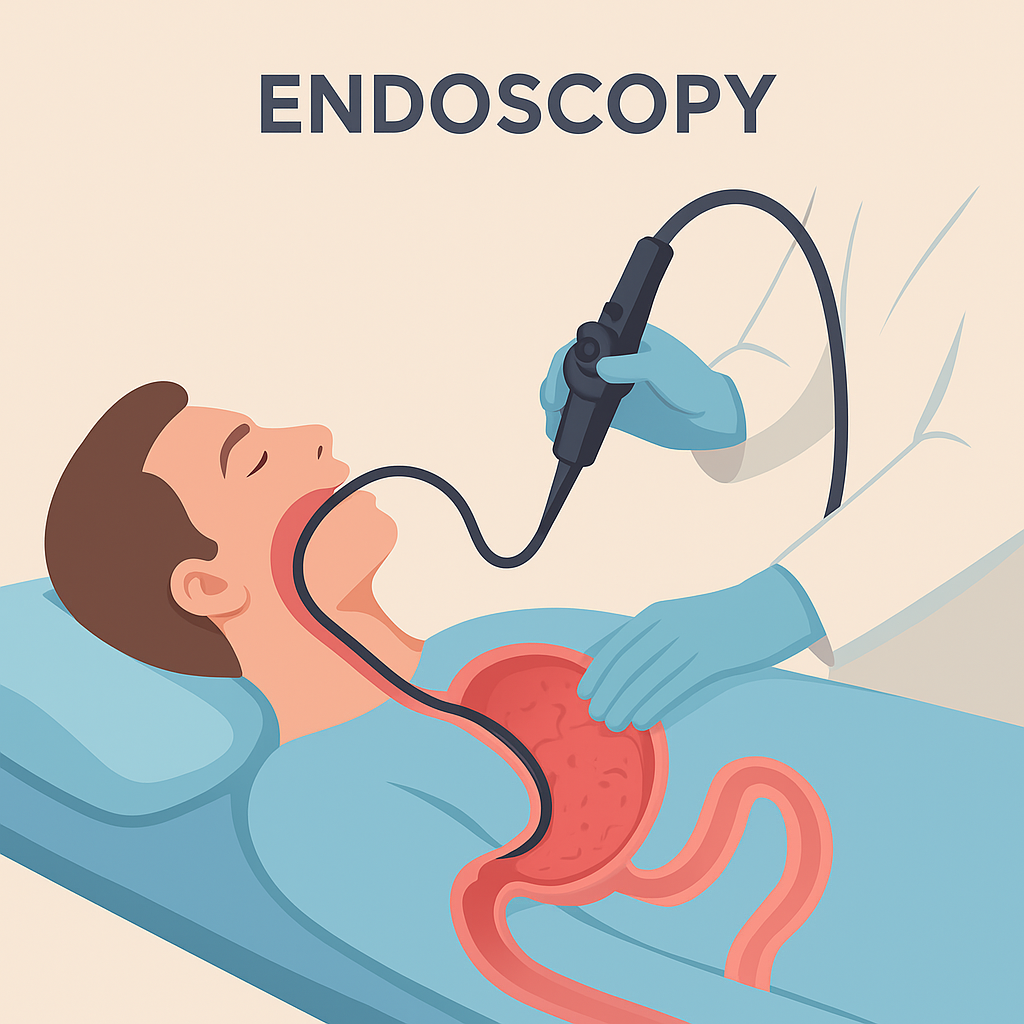
A colonoscopy is a medical procedure that allows a specialist to examine the inside of the large intestine (colon and rectum). A thin, flexible tube with a small camera is gently inserted to provide a clear view of the colon lining. During the procedure, abnormal growths such as polyps can be detected and often removed immediately.
Because many colon-related conditions develop silently, a colonoscopy is considered the gold standard for early detection and prevention.
Why Colonoscopy Is Important
Many digestive conditions show little to no symptoms in their early stages. A colonoscopy helps:
Detect colon polyps before they turn cancerous
Screen for colorectal cancer at an early, highly treatable stage
Identify causes of chronic digestive symptoms
Monitor existing gastrointestinal conditions
Prevent serious complications through early intervention
For individuals in Redding, CA, timely screening can significantly reduce the risk of advanced colon disease.
Who Should Consider a Colonoscopy?
You may need a colonoscopy if you:
Are age 45 or older and due for routine screening
Have a family history of colorectal cancer or polyps
Experience ongoing abdominal pain or cramping
Notice changes in bowel habits
Have unexplained weight loss or fatigue
See blood in stool or experience persistent constipation or diarrhea
Even without symptoms, routine screening is strongly recommended to maintain long-term digestive health.
How to Prepare for a Colonoscopy
Proper preparation is essential for accurate results. Preparation typically includes:
Following a clear liquid diet the day before the procedure
Taking a prescribed bowel-cleansing solution
Avoiding certain foods or medications as advised
While preparation may feel inconvenient, it ensures the colon is clear so that no abnormalities are missed during the exam.
What Happens During the Procedure?
A colonoscopy is usually performed as an outpatient procedure and takes about 30 to 45 minutes. Patients are given medication to help them relax and remain comfortable. Most people do not feel pain and have little to no memory of the procedure.
Afterward, you may feel mild bloating or drowsiness, but recovery is generally quick. Results are often discussed soon after the procedure.
Is a Colonoscopy Safe?
Yes, a colonoscopy is considered very safe when performed by trained specialists. Complications are rare, and the benefits of early detection far outweigh the risks. Removing polyps during the procedure can prevent colorectal cancer from developing altogether.
Colonoscopy in Redding, CA: When to Schedule One
If you live in or around Redding and are due for screening, scheduling a colonoscopy sooner rather than later is a proactive step toward better health. Early detection saves lives and helps avoid complex treatments later.
Whether you are seeking routine screening or investigating digestive symptoms, choosing a patient-focused approach makes the experience more comfortable and reassuring.
Comprehensive Digestive Care You Can Trust
At Redding GastroCare, the focus is on providing personalized digestive health solutions with compassion and professionalism. From preventive screenings to ongoing digestive care, patients receive guidance every step of the way to ensure comfort, clarity, and confidence.
Taking control of your digestive health today can make a meaningful difference for your future well-being.
Final Thoughts
A colonoscopy is not just a test—it is a powerful preventive measure. If you’re researching colonoscopy Redding CA, now is the right time to prioritize your health. Early screening leads to peace of mind, better outcomes, and a healthier life.
Write a comment ...